What Causes Snoring?
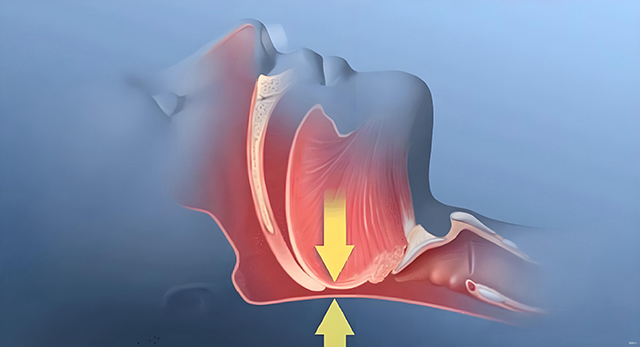
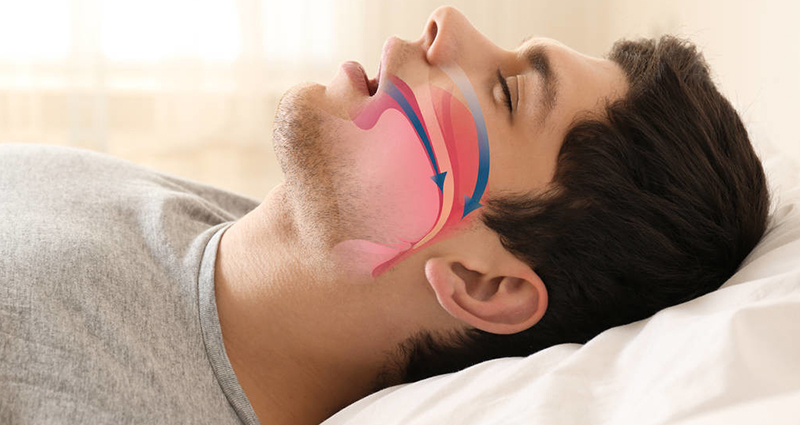
Snoring is the sound produced when air can't move freely through your upper airway during sleep, causing tissues like the soft palate and tongue to vibrate. Common culprits include excess fat around the neck, which physically compresses the airway, and sleeping on your back, which allows the tongue to fall backward and obstruct airflow. Anatomical factors, such as enlarged tonsils or a deviated nasal septum, can also contribute by narrowing the air passages.
How to Treat It?
Effectively managing snoring often begins with lifestyle adjustments. A key strategy is weight management, as even a modest weight loss can reduce fatty tissue in the neck and alleviate pressure on the airway [1]. This can be achieved by prioritizing a diet rich in high-fiber and lean protein sources (such as spinach, cod, and chicken breast) over high-calorie, processed foods like fried chicken and cakes. Complementing diet with regular exercise, like 30 minutes of brisk walking or using an elliptical machine 3-5 times a week, is highly beneficial. As a general health indicator, aiming to maintain a neck circumference below 40 cm for men and 35 cm for women is a sound goal.

A simple yet effective tactic is changing your sleep position. By consistently sleeping on your side, you can prevent your tongue from collapsing into your airway [2]. Using a specialized side-sleeper pillow can provide the necessary support to help you maintain this position throughout the night.

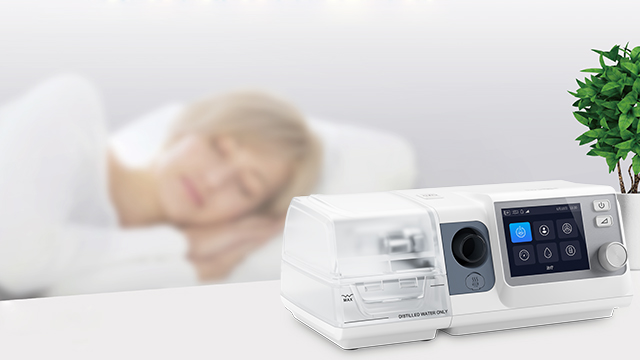
If snoring includes breath holding during sleep or daytime tiredness, after a sleep specialist’s check use a Continuous Positive Airway Pressure (CPAP) device(like Hypnus CA8). This machine delivers a steady stream of air, keeping the airway open. The sleep specialist will determine the appropriate pressure settings, and consistent use can dramatically improve snoring and overall sleep quality [3]. Regular cleaning of the mask and tubing is essential to prevent bacterial growth and ensure effective therapy.
References
1. https://jamanetwork.com/journals/jamainternalmedicine/fullarticle/774222【Archives of Internal Medicine】A Randomized Study on the Effect of Weight Loss on Obstructive Sleep Apnea Among Obese Patients With Type 2 Diabetes: The Sleep AHEAD Study.
2. https://www.uptodate.com/contents/snoring-in-adults【UpToDate】 Snoring in adults
3. https://jcsm.aasm.org/doi/10.5664/jcsm.7640【Journal of Clinical Sleep Medicine】Treatment of Adult Obstructive Sleep Apnea with Positive Airway Pressure: An American Academy of Sleep Medicine Clinical Practice Guideline.
This content is intended for educational purposes only. It should not be relied upon as a substitute for professional medical advice, diagnosis, or treatment.