What Causes Obstructive Sleep Apnea(OSA)?
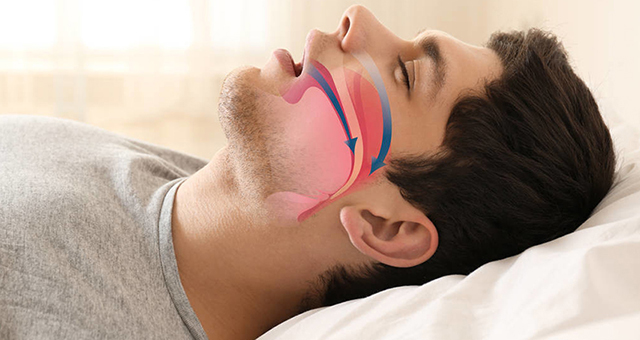
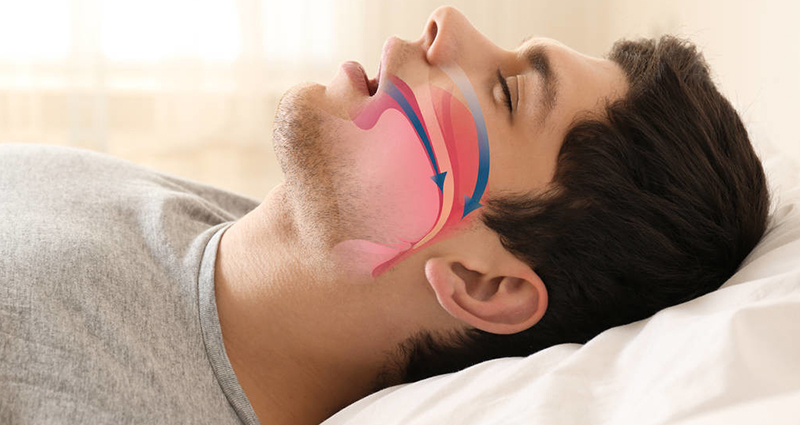
Obstructive Sleep Apnea (OSA) is a sleep disorder characterized by the repetitive collapse of the upper airway. During sleep, the pharyngeal muscles relax, causing soft tissues in the throat to fall back and completely obstruct airflow. This blockage occurs despite the brain continuing to send signals to breathe, leading to strenuous but ineffective respiratory efforts and significant drops in blood oxygen levels [1].
How to Treat It?
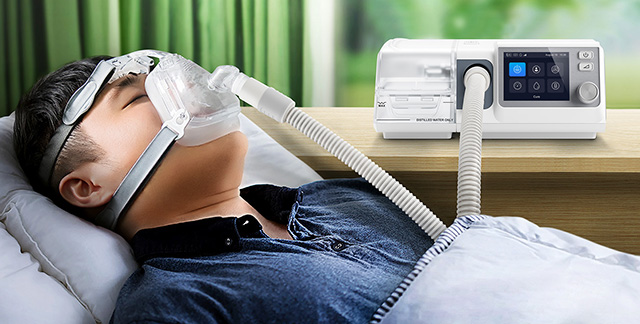
For individuals with moderate-to-severe OSA, the cornerstone of therapy is Continuous Positive Airway Pressure (CPAP)(such Hypnus CA8). This treatment involves a device that delivers a constant stream of pressurized air through a mask, acting as a "pneumatic splint" to keep the airway open. As the first-line treatment recommended by international guidelines, CPAP is highly effective at preventing the pharyngeal collapse that defines OSA [2]. Beyond alleviating immediate symptoms like daytime fatigue and hypoxemia, consistent CPAP use is crucial for long-term health. By mitigating chronic oxygen deprivation, it helps reduce the risk of developing serious cardiovascular complications, such as hypertension and atherosclerosis, acting as a nightly shield for heart health[3].
For patients whose OSA is caused by specific anatomical obstructions—such as an elongated soft palate, an enlarged uvula, or hypertrophic tonsils—surgical intervention may be an option. The most common procedure, Uvulopalatopharyngoplasty (UPPP), is designed to surgically remove redundant soft tissue to physically widen the pharyngeal cavity. This addresses the root structural cause of the obstruction. Surgery is typically reserved for patients who are unable to tolerate or adhere to CPAP therapy or those who are seeking a definitive, permanent correction for their specific anatomical abnormalities.
References:
1. https://www.uptodate.com/contents/pathophysiology-of-upper-airway-obstruction-in-obstructive-sleep-apnea-in-adults【UpToDate】Pathophysiology of obstructive sleep apnea in adults.
2. https://jcsm.aasm.org/doi/10.5664/jcsm.7640【Journal of Clinical Sleep Medicine】Treatment of Adult Obstructive Sleep Apnea with Positive Airway Pressure: An American Academy of Sleep Medicine Clinical Practice Guideline.
3. https://jamanetwork.com/journals/jamanetworkopen/fullarticle/2811462【JAMA】Association of Continuous Positive Airway Pressure With Cardiovascular Events and Death in Patients With OSA: A Systematic Review and Meta-analysis.
This content is intended for educational purposes only. It should not be relied upon as a substitute for professional medical advice, diagnosis, or treatment.