What Causes Mixed Sleep Apnea(MSA)?
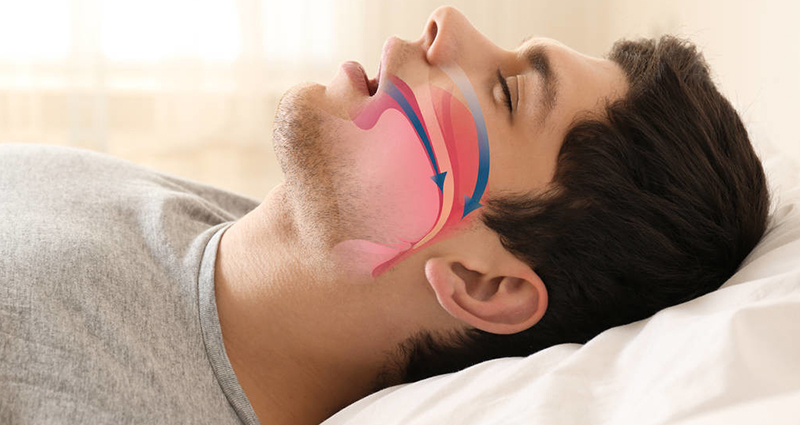
Mixed Sleep Apnea (MSA), clinically known as complex sleep apnea, is a challenging disorder characterized by a combination of both central and obstructive respiratory events. The condition involves a dual pathology: a failure of the brain to send signals to breathe (central apnea), often followed by a physical collapse of the upper airway (obstructive apnea) [1]. This pattern frequently emerges in patients with underlying conditions like chronic heart failure. Studies on its natural history show that MSA is not a rare phenomenon, often appearing after a patient with obstructive apnea starts CPAP therapy, which unmasks the underlying central component.
How to Treat It?
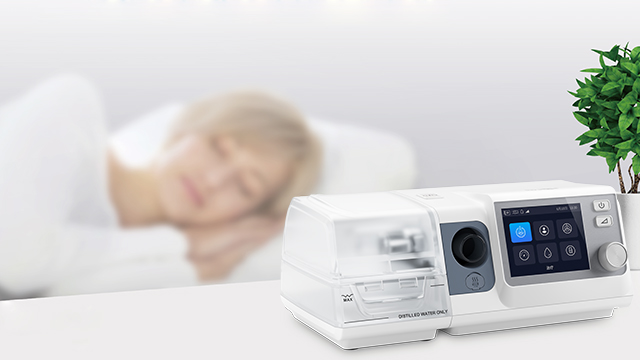
Given its complexity, treatment requires a multifaceted approach. The cornerstone of therapy is an advanced positive airway pressure device with Adaptive Servo-Ventilation (ASV)(such as Hypnus ASV device). As recommended by the American Academy of Sleep Medicine, ASV is a primary treatment for the central sleep apnea component [2]. It utilizes a sophisticated closed-loop algorithm: during a central pause, it delivers adaptive ventilatory support to restore breathing; during an obstruction, it provides stable positive pressure to keep the airway open. The efficacy of this dual-action approach is well-supported by evidence, with systematic reviews confirming that ASV effectively resolves respiratory events, significantly reduces the Apnea-Hypopnea Index (AHI), and improves nighttime oxygen levels.
For some patients, adjunctive pharmacotherapy can play a role in managing residual events that persist despite optimal device therapy. While not a first-line treatment, drugs that act as respiratory stimulants can be considered. A low dose of theophylline, for example, can serve as a valuable complementary option. It enhances the brain's sensitivity to carbon dioxide, so counteracting central pauses, while also modestly increasing upper airway muscle tone. As outlined in reviews on pharmacological strategies, this approach necessitates careful physician oversight to monitor for potential side effects and ensure patient safety.
References:
1. https://www.uptodate.com/contents/treatment-emergent-central-sleep-apnea【UpToDate】Complex sleep apnea
2. https://jtd.amegroups.org/article/view/18063/html【Journal of Thoracic Disease】Pharmacological treatment of central sleep apnea.
This content is intended for educational purposes only. It should not be relied upon as a substitute for professional medical advice, diagnosis, or treatment.