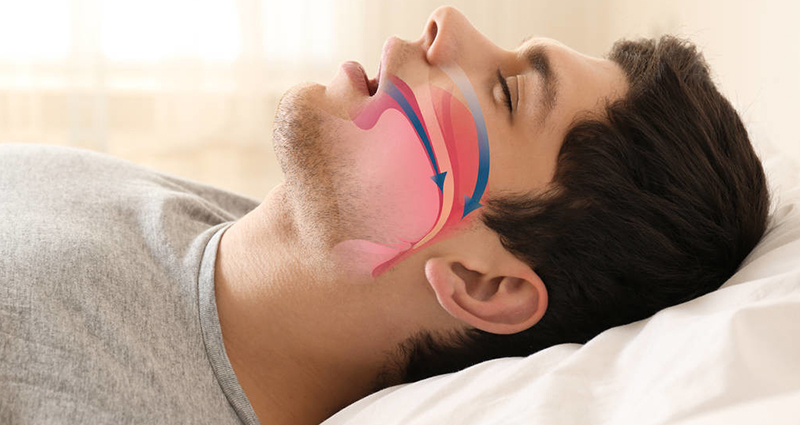
What is Chronic Obstructive Pulmonary Disease (COPD)?
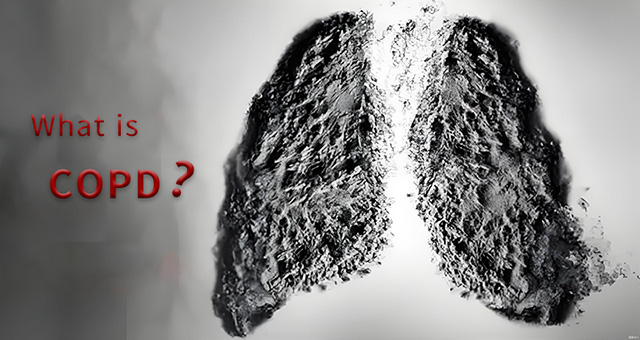
Chronic Obstructive Pulmonary Disease (COPD) is a widespread, preventable, and treatable condition defined by persistent respiratory symptoms and airflow limitation [1]. This limitation arises from long-term damage to the airways and lung tissue (alveoli), leading to progressive and largely irreversible airway narrowing. The hallmark symptoms include chronic cough, sputum production, and dyspnea, particularly during physical activity, which can profoundly impact a patient's daily life as the disease advances.
What Causes Chronic Obstructive Pulmonary Disease (COPD)?
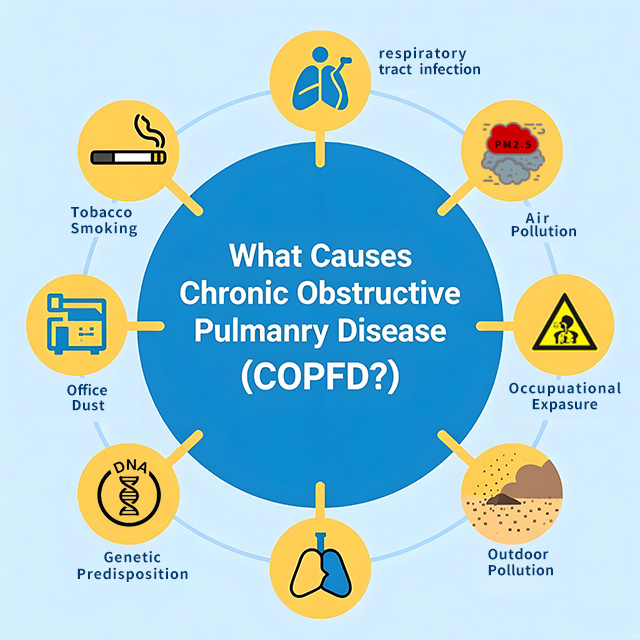
The development of COPD is overwhelmingly linked to significant long-term exposure to noxious particles and gases. Tobacco smoking stands as the most critical risk factor, though other contributors include prolonged exposure to household air pollution, occupational dusts and chemicals, and outdoor pollution [2]. A less common but important cause is a genetic condition known as alpha-1 antitrypsin deficiency, which predisposes individuals to early-onset COPD.
How to Treat It?
There is no cure for COPD. The primary goals of COPD treatment are to alleviate symptoms, improve exercise tolerance, and reduce the frequency and severity of exacerbations.
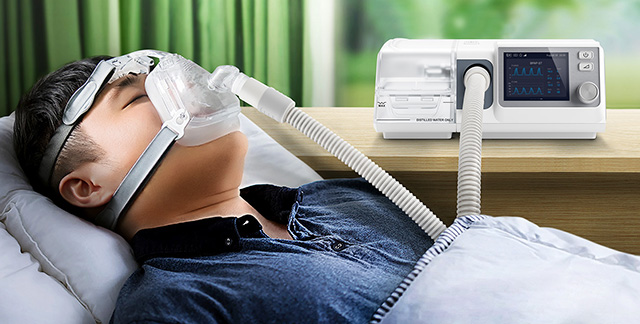
For patients who develop chronic respiratory failure with elevated carbon dioxide levels (hypercapnia), non-invasive ventilation (NIV) is a vital intervention. Devices with a spontaneous/timed (S/T) backup rate are frequently prescribed for home use(such as Hypnus ST8). These ventilators support the patient's own breathing efforts by delivering pressurized air to ease the work of breathing and, if the patient stops breathing, deliver a timed breath to ensure continuous ventilation. This therapy is proven to manage chronic hypoxemia and hypercapnia effectively.
Long-term oxygen therapy (LTOT) is mandated for patients with severe chronic hypoxemia. High-flow oxygen delivery systems can provide a stable, heated, and humidified air-oxygen blend, which helps maintain oxygen saturation reliably. This intervention is crucial for mitigating the systemic effects of hypoxia on the heart and brain and has been shown to improve survival in select patient groups.
Pulmonary rehabilitation is universally recognized as a cornerstone of COPD care. It is a comprehensive program that integrates structured exercise training to build physical endurance, specialized breathing techniques to improve respiratory efficiency, and patient education [3]. This is often combined with nutritional and psychological support, leading to significant improvements in quality of life and functional capacity [4].
References:
1. https://goldcopd.org/2024-gold-report/【Global Initiative for Chronic Obstructive Lung Disease (GOLD) 】Global Strategy for the Diagnosis, Management, and Prevention of Chronic Obstructive Pulmonary Disease (2024 Report).
2. https://www.thelancet.com/journals/lancet/article/PIIS0140-6736(22)01273-9/abstract【The Lancet】Towards the elimination of chronic obstructive pulmonary disease: a Lancet Commission
3. https://www.atsjournals.org/doi/full/10.1164/rccm.201309-1634ST【American Journal of Respiratory and Critical Care Medicine】An Official American Thoracic Society/European Respiratory Society Statement: Key Concepts and Advances in Pulmonary Rehabilitation.
4. https://www.nejm.org/doi/full/10.1056/nejmoa1516385【New England Journal of Medicine】 Indacaterol–Glycopyrronium versus Salmeterol–Fluticasone for COPD.
This content is intended for educational purposes only. It should not be relied upon as a substitute for professional medical advice, diagnosis, or treatment.